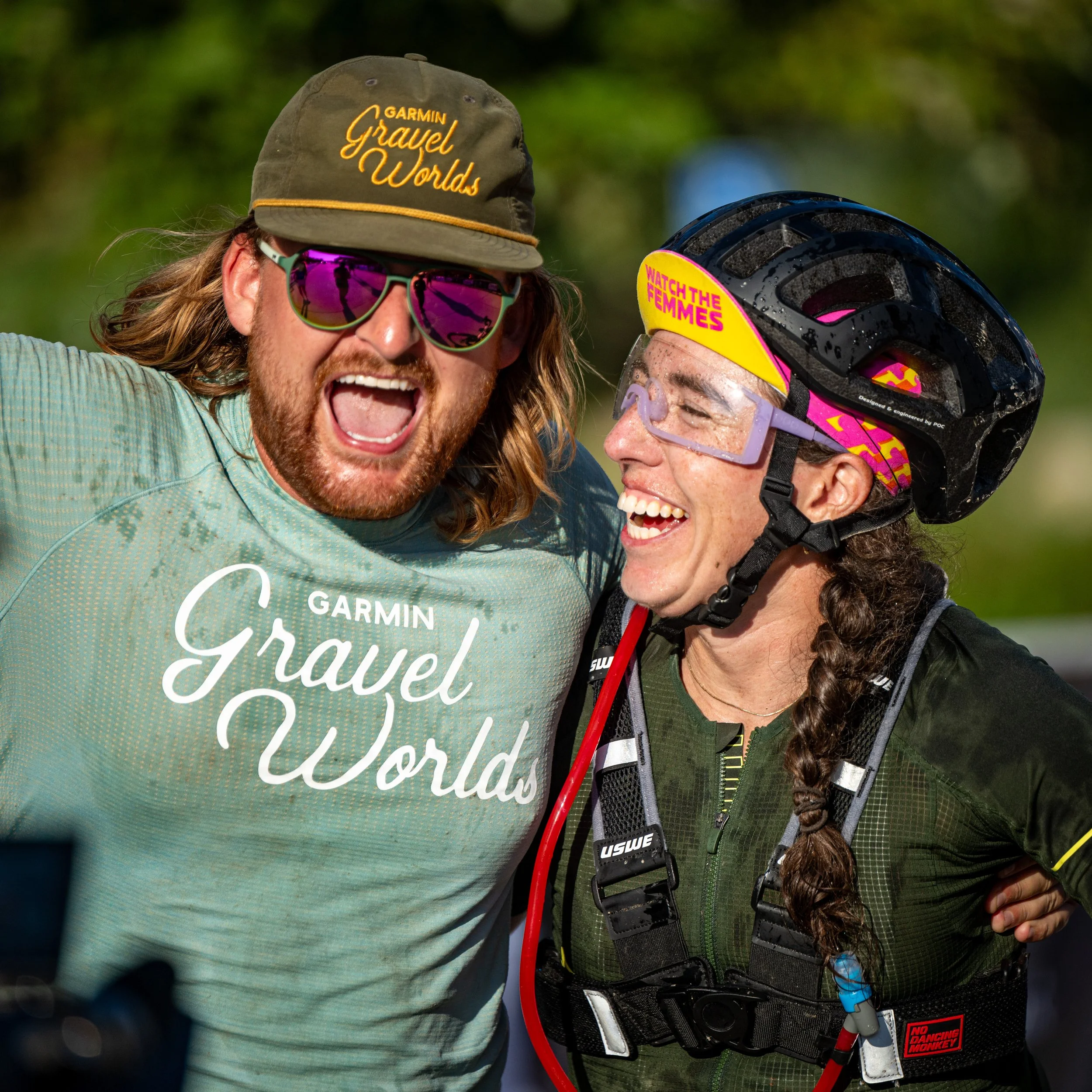
Megan Fisher
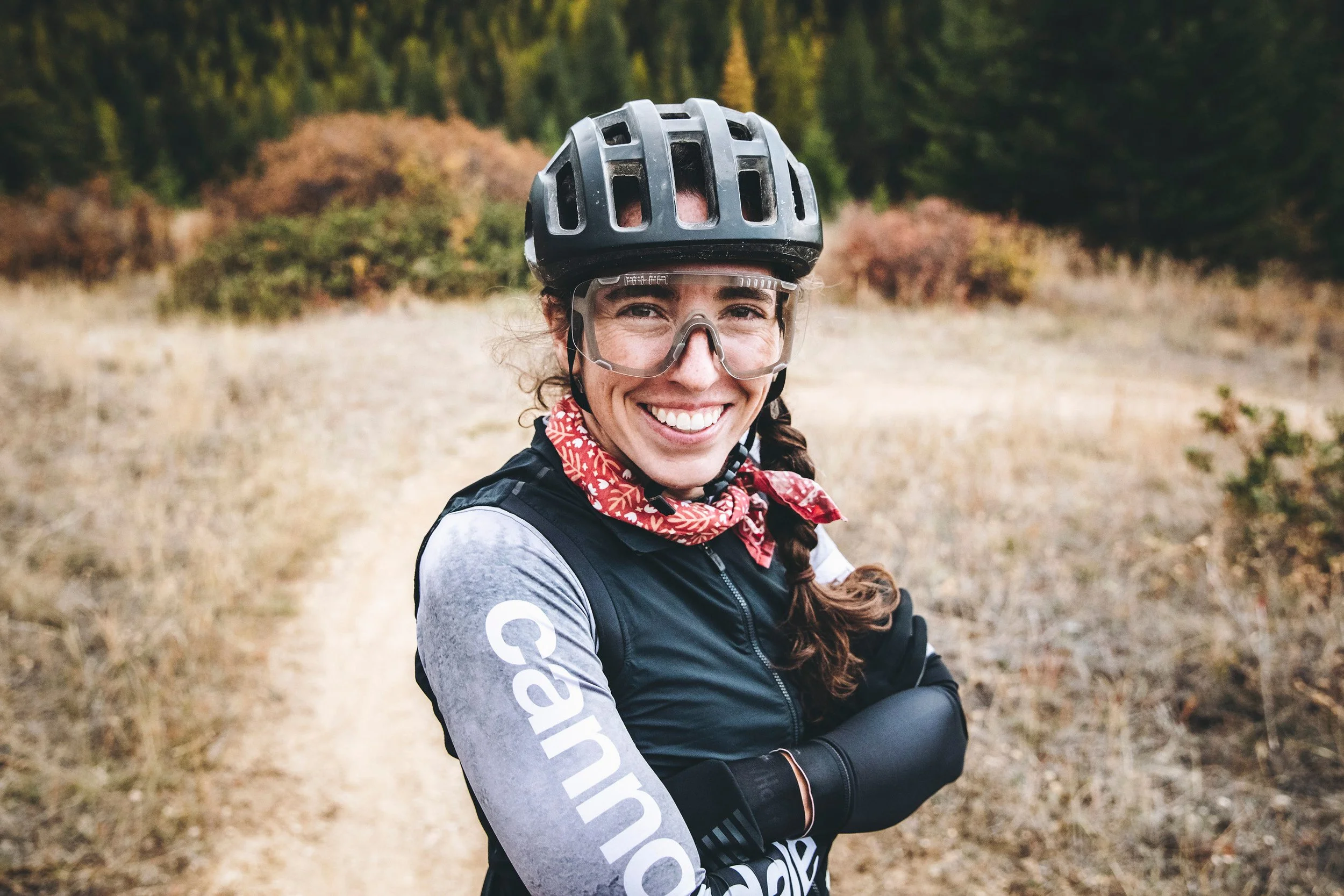
Athlete, Storyteller, Industry leader
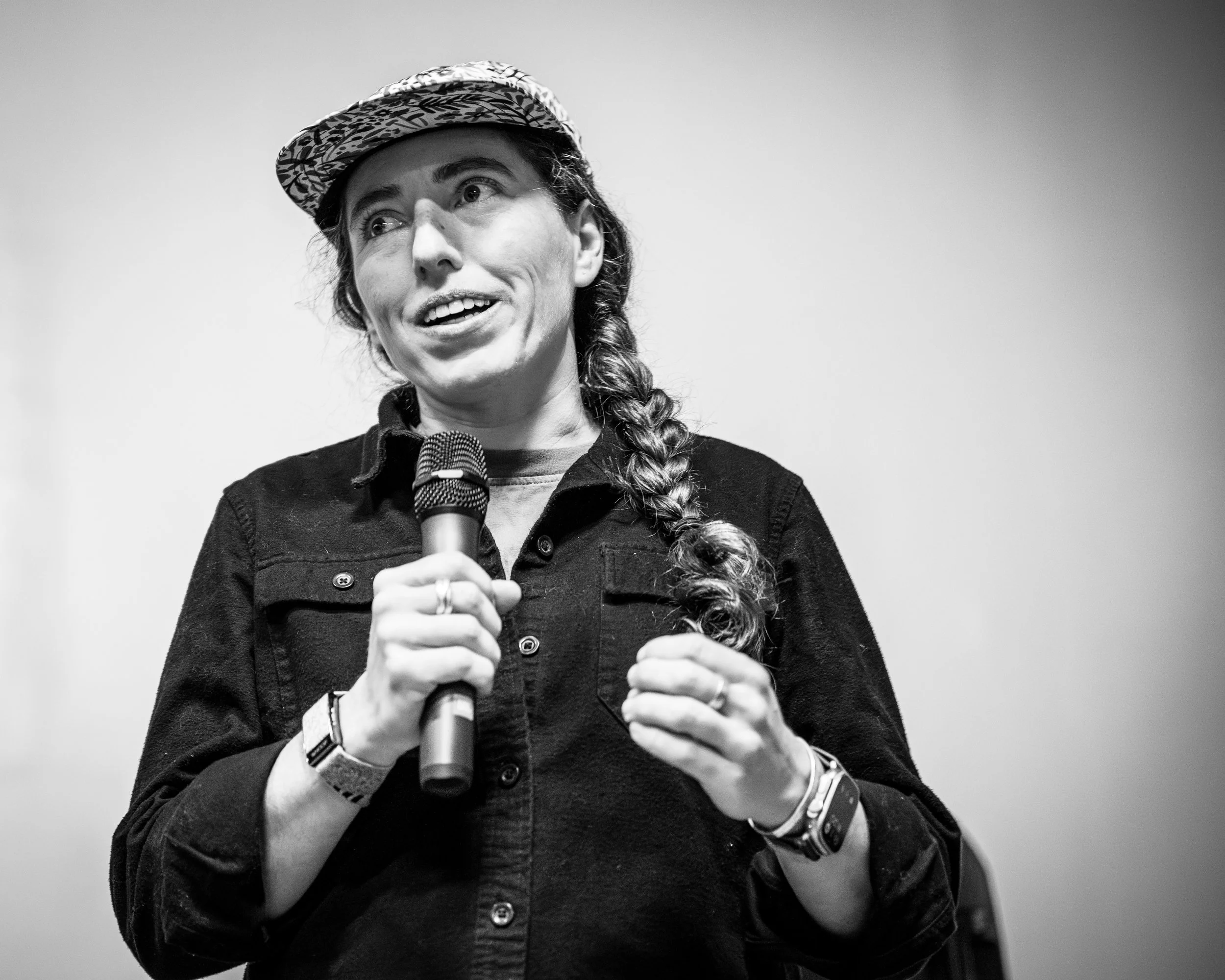
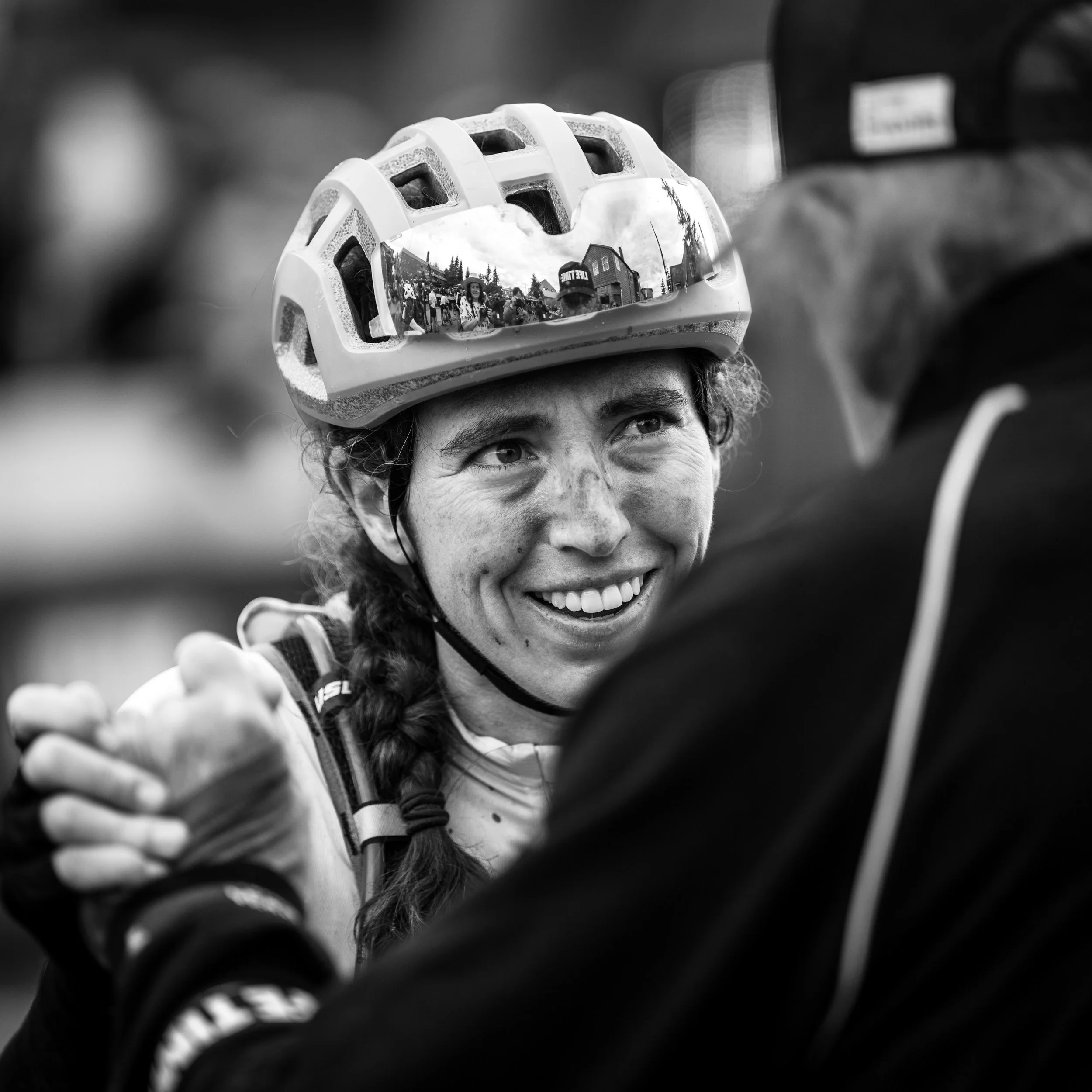
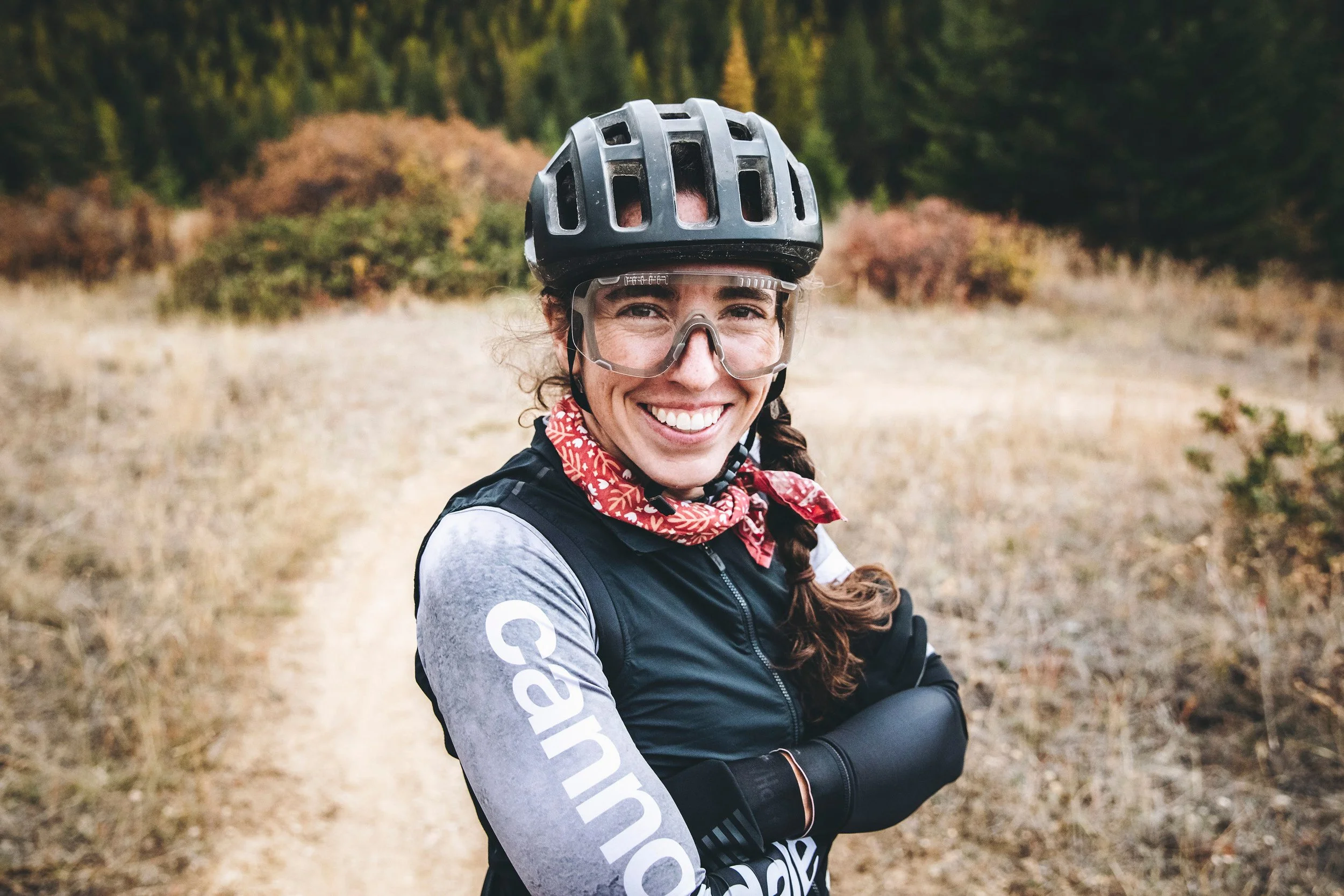
Meg Fisher embodies the very best of gravel cycling –– courage, inclusivity, perseverance and selflessness. Her ability to excel as an athlete, advocate and ambassador has propelled the sport forward in profound new ways.
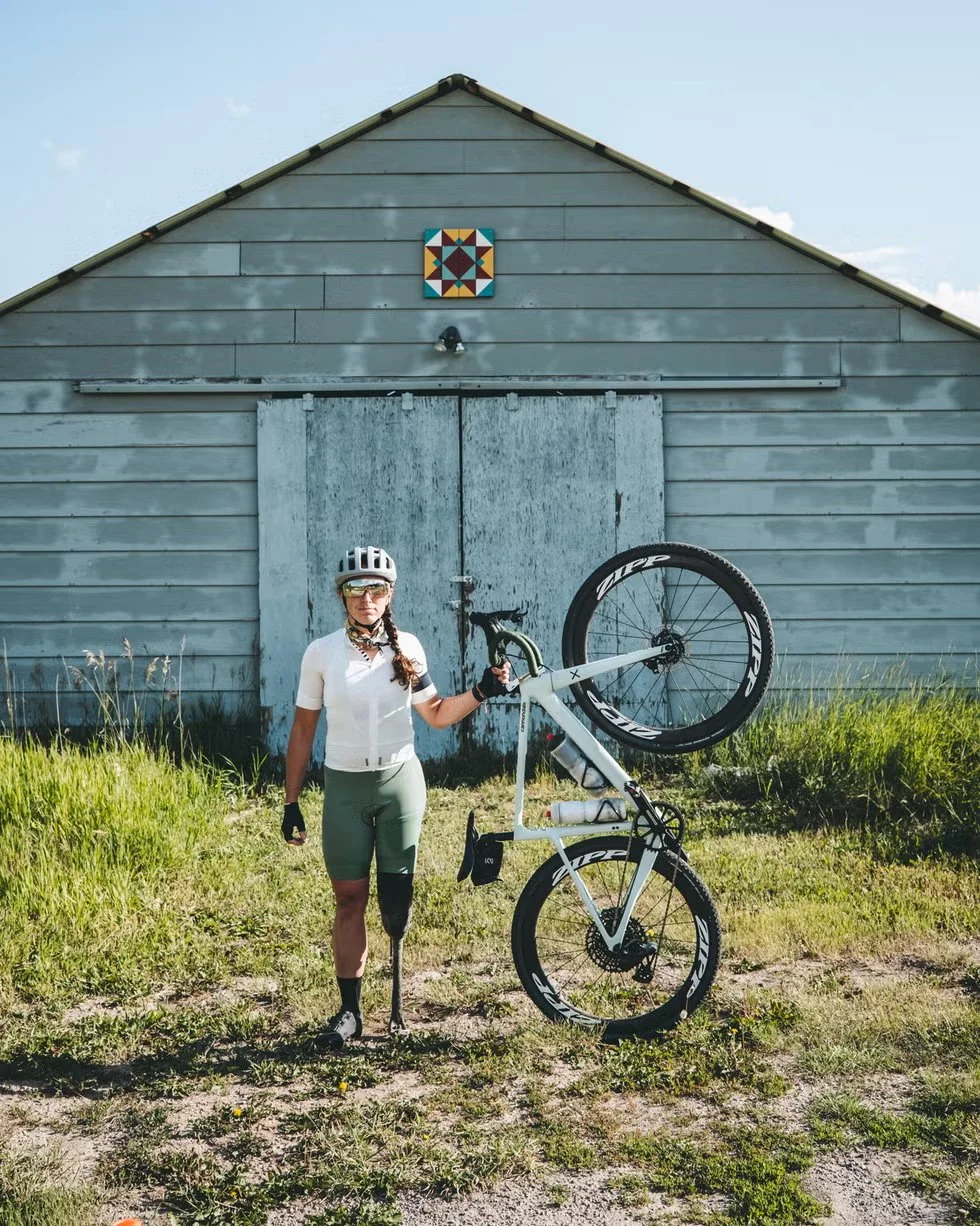
Meg’s focus on inclusion and willingness to share her story have inspired countless athletes –– para-athletes and able-bodied alike. And her accomplishments as a Paralympic champion, World Champion and in the world’s most challenging gravel events demonstrates by example that gravel is a place where everyone belongs.
For Meg, sports have been at the center of her life for as long as she can remember.
“I got my first tennis racquet when I was three,” she said. “My mom was part of the generation who fought for Title IX. She even played Billie Jean King in an exhibition match.”
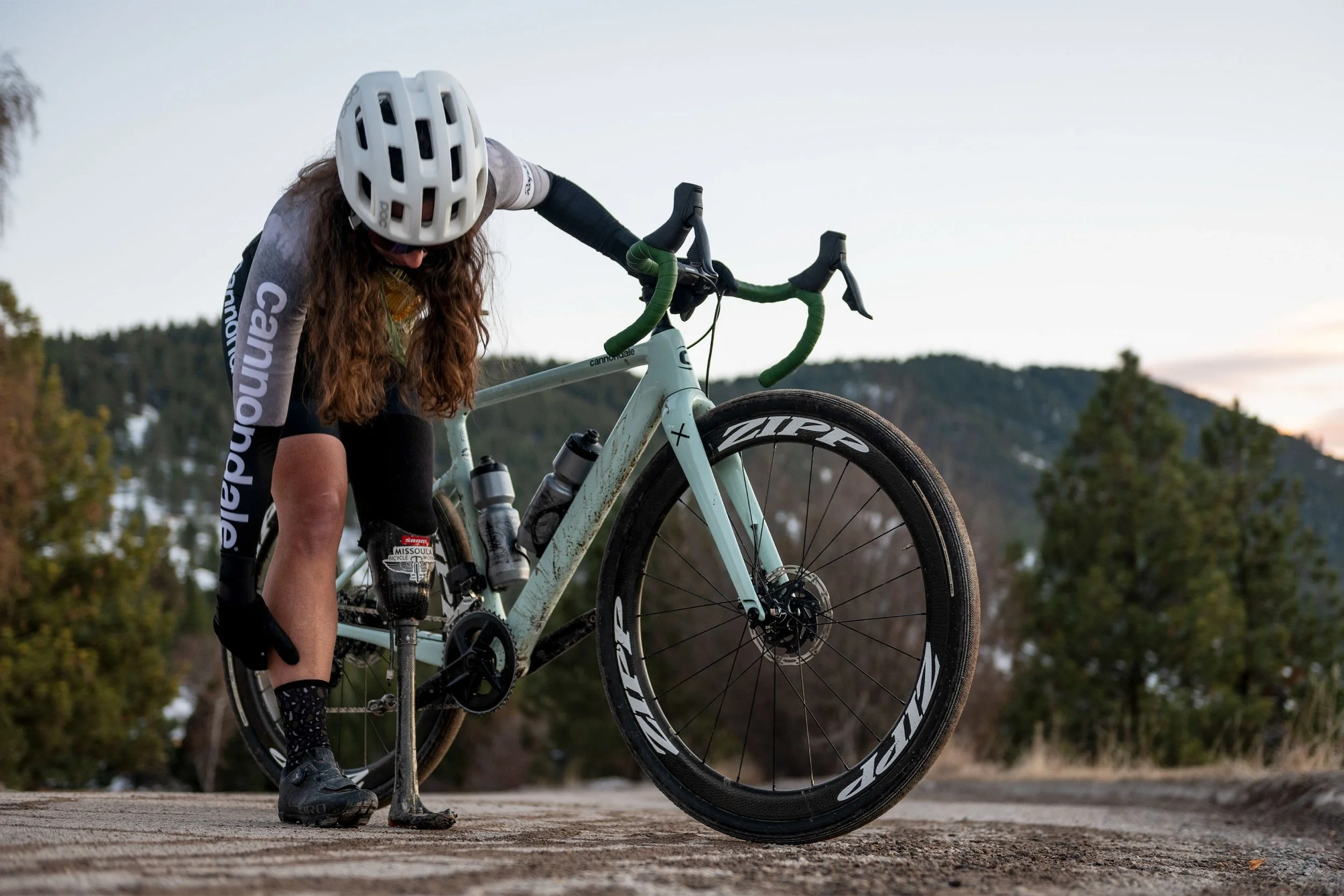
Meg followed in her mother’s footsteps, becoming a top NCAA Division 1 tennis player by the age of 18. But after a car accident put her into a coma and necessitated the amputation of her left leg, sports took on a new role in her life.
“As a kid, sports were how I made friends, learned life lessons, and had a boatload of fun. After the accident that changed everything, sports were still there waiting for me, ready to accept me at every stage of my recovery.”
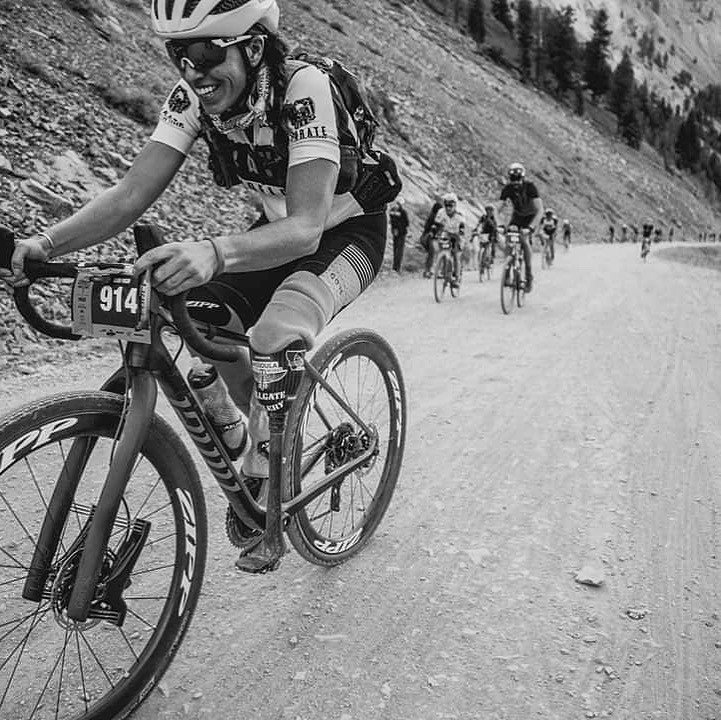
Since then, Meg’s athletic accomplishments have been nothing short of remarkable. A Paralympic cycling champion with gold, silver and bronze medals to her credit, she turned her focus to gravel cycling and quickly excelled.
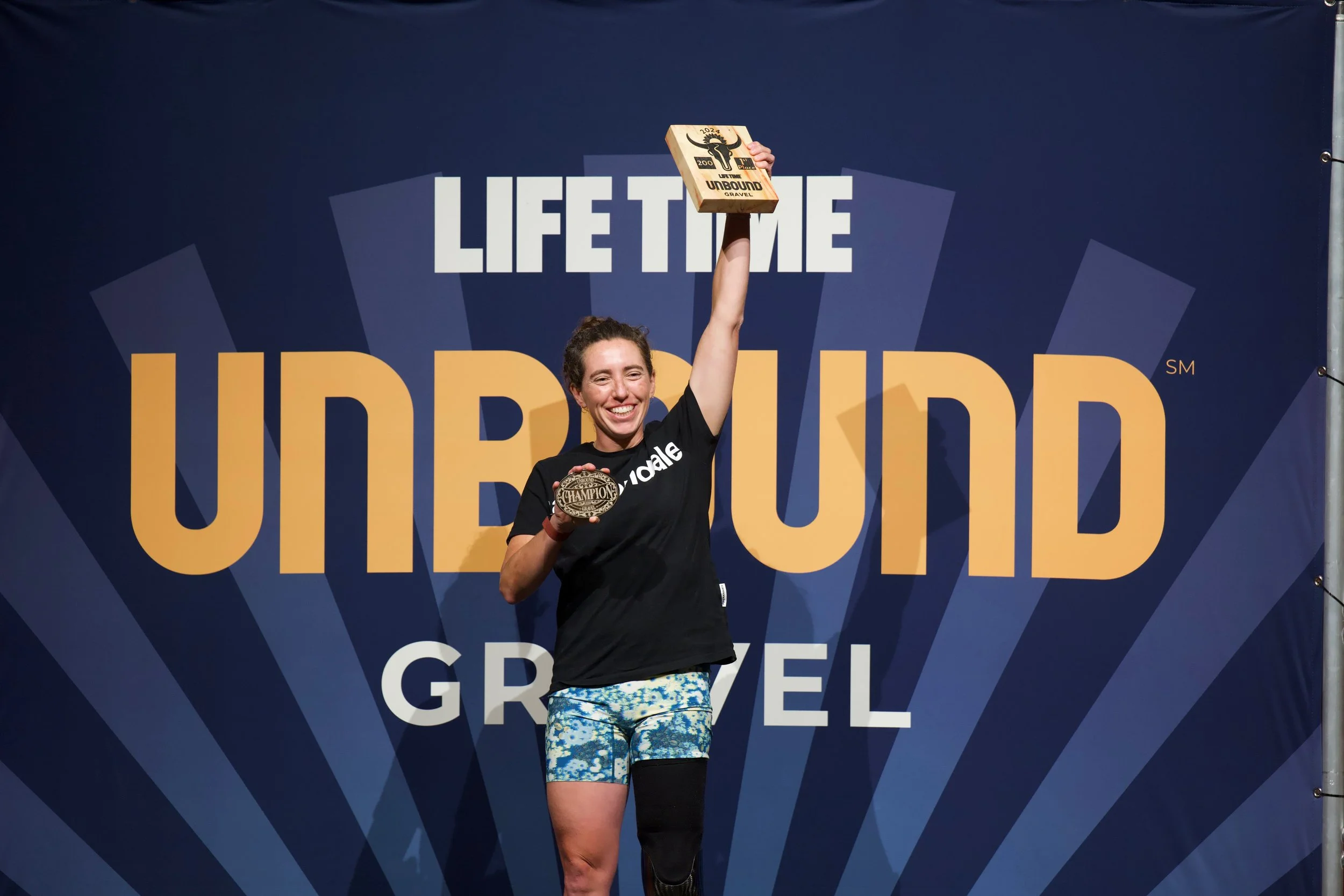
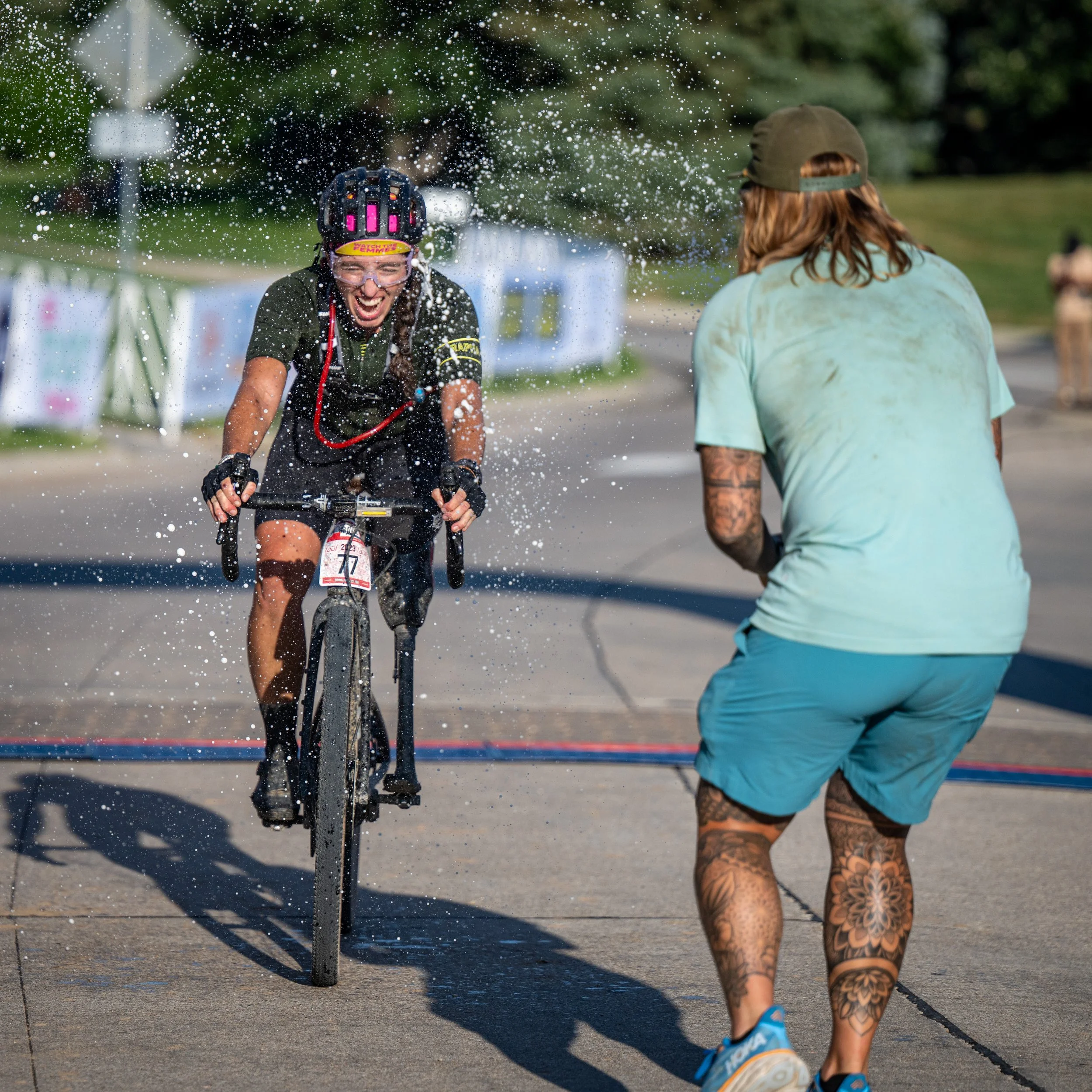
Meg holds the record for the most para-class wins at events including Unbound Gravel, Gravel Worlds and SBT Gravel, among others. And her instrumental role in the creation of para classes at those same events lives on as a lasting legacy for generations of athletes with impairments.
Meg said her accomplishments in gravel cycling are as meaningful to her as any of her Paralympic medals.
“Through gravel, I feel like I had the opportunity to open a path for other riders to follow,” she said. “Those riders in turn will make it even better, so even more people can find their way.
“With the Paralympics, I didn’t have to blaze a trail. Quite literally, as a road racer, the path was paved and all I had to do was simply go faster down the road than anyone else.
“Looking back now, it was a lot of work and I’m proud of my success, but the path was already there. I knew what I needed to do to win. With gravel, in many ways the discipline was brand new. Somebody needed to be the first person to make room for individuals with impairments, a group that makes up sixteen percent of the world’s population*.”
Meg said she’s incredibly proud of her gold medal from the London 2012 Paralympic Games, for a number of reasons.
“The Team in 2012 was incredibly strong and we were true teammates who supported each other to be the best versions of ourselves on and off the bike,” she said. “Some of my teammates will be at the GCHOF induction ceremony and it will be a privilege representing them, because I wouldn’t be who I am today without them.
“The 2012 Games were ten years after the accident that killed my first love and caused my injuries. Standing on the top step, being the best at something, felt symbolic, like I’d won more than just a race. I feel like I got to share that medal with everyone who believed in me.”
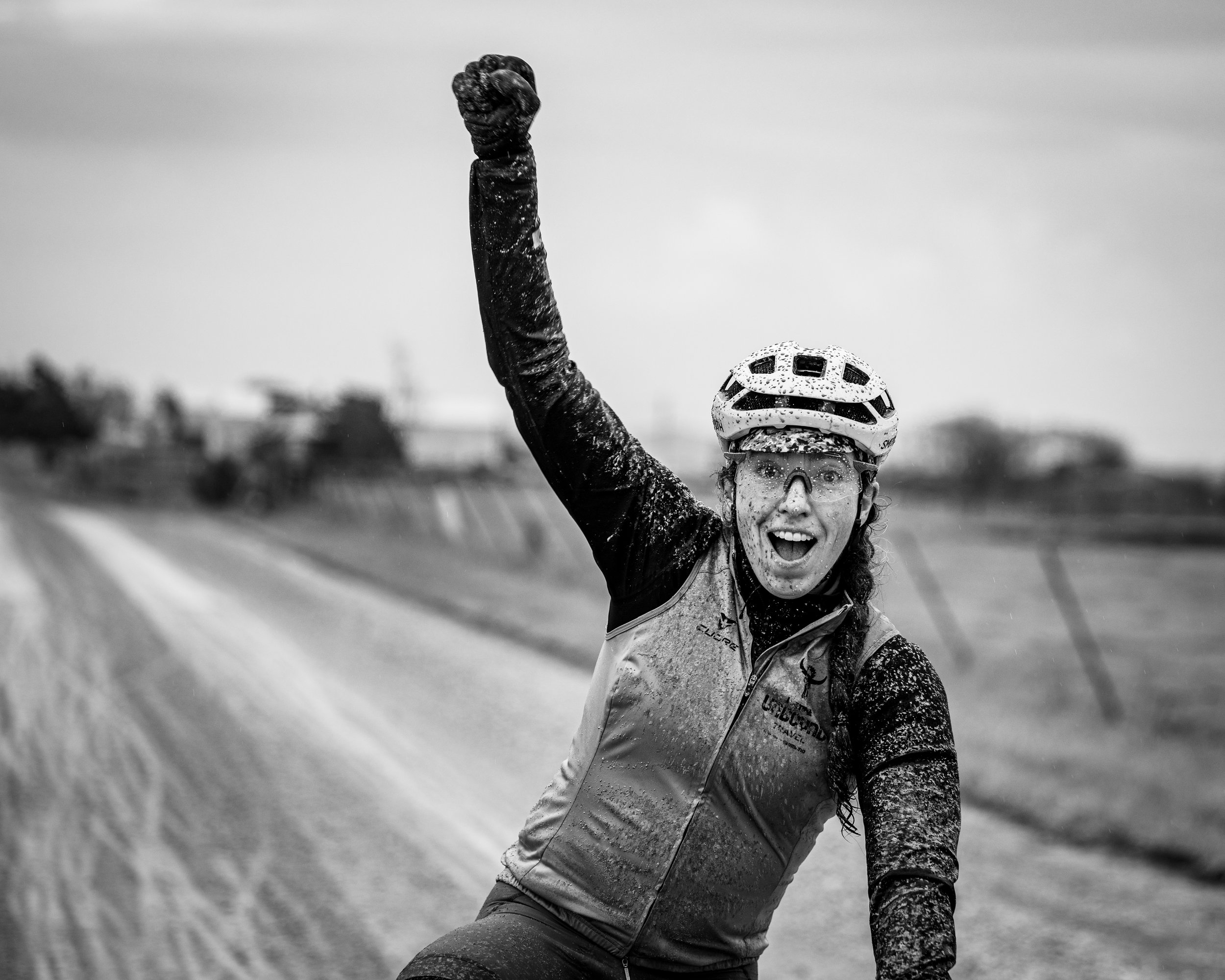
On gravel, Meg says she’s most proud of two event finishes: the 2024 LeadBoat Challenge and Unbound Gravel 2023, which she jokingly calls “MudBound”.
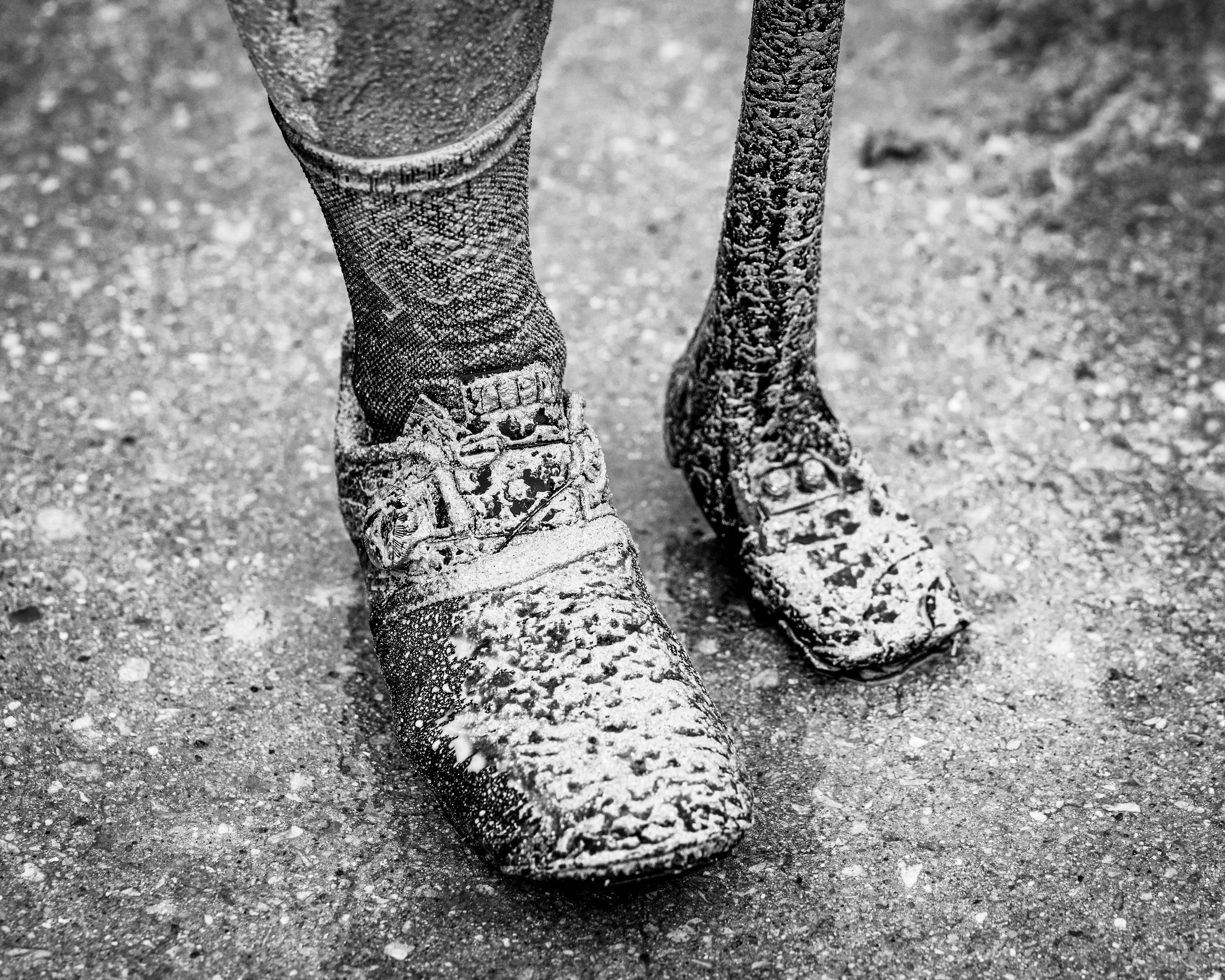
“The LeadBoat Challenge, which no longer exists, combined the Leadville Trail 100 on Saturday with the SBT GRVL black course on Sunday,” she said. “The MudBound year of 2023 was my fourth Unbound 200 and it stands out as the muddiest race in recent history.
“Both events were monumental and exemplified what happens when you never give up.”
While Meg’s command of some of the world’s toughest courses is truly extraordinary, what truly sets her apart is her emphasis on encouraging her fellow competitors during events. Countless riders tell stories of Meg’s kindness and loving spirit helping propel riders to achieve their goals.
“I’m keenly aware that I didn’t get to where I am today without the help of others,” she said. “I am grateful for all the people who didn’t give up on me – who shared their time, wisdom and sometimes their wheel with me.
“The least I can do is try to pay forward the gifts that have been given to me. Being a steady wheel or a cheerleader is my greatest privilege. I shouldn’t be here, yet here I am, so I’m going to do the best I can to give what I can to others.”
Meg’s motivation to mentor others comes from a similar place, she said.
“I have a secret to share,” Meg said. “Cheering someone on feels good and gives me a boost.
“Cheering takes no energy at all. Quite the opposite, actually. It fuels me. Mentoring is much the same way. Just as I am passing along knowledge or experience, I am learning too.”
Meg said she had never considered that she might be inducted into a Hall of Fame.
“The whole experience has been humbling and has made me ask the question, ‘Why me?’,” she said. “My advocacy has been focused on the idea that I want people with physical impairments to see themselves reflected in sport, and know they have a place here if they want it.
“Typically, Halls of Fame attached to sport don’t usually include people with physical impairments. I am humbled to be the first para-athlete inducted into the Gravel Cycling Hall of Fame, and I’m excited for the next generation to build upon the foundation I’ve created and do it even better.”
Written by Matt Gersib
* Source: World Health Organization